
The Economic Case for Japanese in Singapore
Why is the economic bridge between Japan and Singapore so important?
The economic bridge between Japan and Singapore is important because it creates vast, high-level job opportunities across finance, technology, and engineering sectors. Because Japan remains one of Singapore's top foreign investors, hundreds of Japanese firms rely on a bilingual workforce to manage their Southeast Asian operations effectively.
According to the Ministry of Trade and Industry, the bilateral relationship between the two nations involves billions of dollars in foreign direct investment. With the announcement of the Japan-Singapore Economic Partnership Agreement in March 2026, this is only going to increase in coming years. For a professional building a career in Singapore, this translates directly into everyday job opportunities. Japanese companies are constantly seeking local talent to lead regional projects, manage technical teams, and facilitate international trade.
Knowing Japanese for business is not just an administrative tool for smoother operations. When you communicate with partners in their native language, you demonstrate a deep commitment to long-term corporate partnerships. Japanese business culture places immense value on trust and mutual respect. An employee who takes the time to learn the language signals dedication and reliability, which are highly prized traits in any corporate training environment.
By investing in your professional communication abilities, you position yourself as an indispensable asset. You become the critical link that ensures projects run efficiently, misunderstandings are avoided, and corporate relationships thrive over the long term.
How does learning Japanese unlock career development in Singapore?
Learning Japanese unlocks career development by helping you secure promotions, transition to leadership roles, and stand out in a highly competitive job market. Speaking the language builds profound personal connections and trust, which are critical currencies in Asian business culture.
When an organisation needs to appoint a liaison for its Tokyo headquarters, the leadership team will look for someone who understands both the local Singaporean market and Japanese corporate expectations. Having this specific skill set accelerates your trajectory far beyond standard performance metrics.
In April 2026, there were more than 300 active job listings on JobStreet offering salaries above $10,000 per month, all requiring at least basic proficiency in Japanese. This demand underscores the very real career opportunities available to professionals who invest in developing their Japanese language skills and highlights a fundamental truth: language skills transform you from a standard employee into a strategic partner. People prefer to do business with those they trust, and communicating in someone's native language is the fastest way to build that trust.
Cultural Nuances and the Reality of Japanese Business Communication
How can you navigate cultural nuances in Japanese business?
You can navigate cultural nuances in Japanese business by understanding that professional communication requires much more than basic fluency. It involves mastering specific cultural concepts like polite language, consensus-building, and reading the atmosphere to maintain harmony in the workplace.
Basic vocabulary will help you order food or ask for directions, but the corporate environment demands a higher level of cultural awareness.
What is Keigo and how do you use it?
Keigo is the Japanese system of polite and honorific speech, and it is essential for showing appropriate respect in a business setting. It dictates how you speak to clients, senior management, and external stakeholders.
For example, when writing emails to senior management, using the correct honorific forms of verbs ensures you do not inadvertently offend the recipient. Keigo establishes the hierarchical boundaries that provide structure and comfort in Japanese corporate interactions. Using it correctly shows that you understand your position and respect the authority of the person you are addressing.
Why is Nemawashi critical for consensus-building?
Nemawashi refers to the informal process of quietly laying the foundation for some proposed change or project by talking to the people concerned before a formal meeting. In Western business cultures, meetings are often used to debate ideas and make decisions. In Japanese business culture, the decision is usually made before the meeting even begins.
If you want to introduce a new software tool to your department, you do not simply pitch it in the boardroom. You practise Nemawashi by privately discussing the idea with key stakeholders, gathering their feedback, and securing their alignment beforehand. This prevents anyone from being surprised or losing face publicly.
How does Kuuki wo yomu help you read the room?
Kuuki wo yomu literally translates to "reading the air," and it involves sensing the mood or unspoken feelings of a group. Direct confrontation is generally avoided in Japanese professional communication.
If you need to politely disagree with a colleague during a negotiation, you must read the room. Instead of saying a direct "no," you might say "that is a difficult situation" or suggest that you need to study the proposal further. This preserves harmony and protects the other person's dignity.
These nuances often seem complex at first glance. However, they are easily mastered with interactive, live practice. A structured learning environment allows you to role-play these scenarios until they feel entirely natural.
What is the difference between JLPT certification and real-world communication?
The main difference is that the JLPT (Japanese-Language Proficiency Test) evaluates textbook grammar and reading comprehension, whereas real-world communication requires conversational agility and the ability to structure thoughts clearly under pressure.
The JLPT is the internationally recognised standard for evaluating Japanese proficiency. Achieving an N3 or N2 certification is an excellent milestone and a highly valuable benchmark for your CV. Many corporate HR departments use the JLPT as a filtering mechanism when hiring for bilingual roles.
However, exam preparation often falls short when it comes to practical workplace needs. The JLPT does not include a speaking component. You can pass the N2 level without ever having a live conversation in Japanese. Consequently, many professionals find themselves equipped with advanced vocabulary but completely lacking the conversational and cultural agility required for live business interactions.
In a real meeting, you do not have the luxury of spending two minutes recalling the perfect grammatical structure. You need to structure your spoken thoughts clearly and reduce hesitation. Real-world business Japanese prioritises clear, effective communication over textbook perfection. You do not need to be flawlessly fluent to make an impact. Employers highly value professionals who can convey their ideas confidently, manage a Q&A session, and keep a conversation flowing naturally, even if they occasionally make a minor grammatical error.
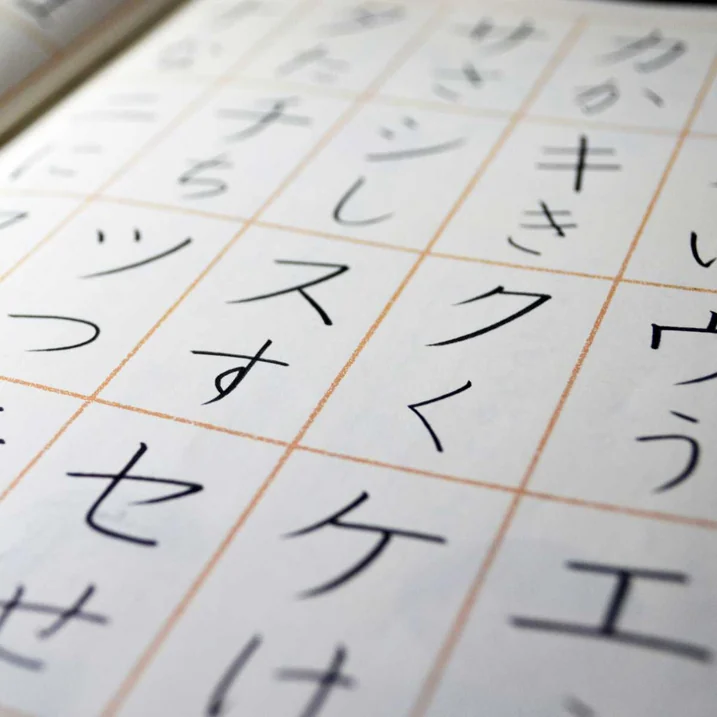
““習うより慣れよ” “It is better to grow accustomed through practice than merely to learn by instruction.”— Japanese proverb
How Busy Professionals Can Learn Japanese Effectively
How can busy professionals fit learning Japanese in?
Busy professionals can learn effectively by choosing a Japanese course in Singapore that offers options that are flexible around their evenings and weekends, and that provide live, instructor-led lessons for immediate, personalised feedback.
One of the most common objections from full-time workers is a lack of time. A demanding schedule in Singapore's fast-paced environment leaves little room for rigid, daytime university classes. To succeed, you must find a learning solution designed specifically around the lifestyle of a working adult.
Self-study apps might seem like a convenient alternative, but they are rarely sufficient for mastering professional communication. They cannot correct your pronunciation in real-time, nor can they explain the subtle cultural context behind a specific honorific phrase.
The most effective method is participating in live, Japanese lessons led by native Japanese instructors. Interactive sessions simulate real-life conversations, providing maximum learning impact. By engaging in small group learning or private lessons, you receive tailored feedback that ensures rapid and consistent improvement. Expert instructors guide you through practical role-play activities, focusing on the exact scenarios you will face at work, from delivering a presentation to navigating a networking event.
Speak with confidence in your next meeting
Japanese remains a powerhouse language in the Singaporean business landscape. Mastering it provides distinct advantages for cross-cultural networking, earning the trust of overseas stakeholders, and driving your personal career progression.
Remember that consistent, focused practice with expert instructors is the fastest route to reducing hesitation and speaking with confidence. You do not need to figure this out alone, and you certainly do not need to rely on ineffective translation software during your most important meetings.
Take the next step and accelerate your career today. Explore Lingua Learn Singapore's live Japanese language courses, explicitly designed to help busy professionals achieve real-world fluency fast.