

If you want to learn Japanese in Singapore, you want a method that fits your schedule and helps you make real progress. The good news is that you do not need to study for hours every day to improve. With the right plan, even busy adults can build useable Japanese language skills in less than 3 months.
In Singapore, many adult learners study Japanese for work, often through corporate language training, or for personal goals such as travel or exams. Some want to speak more confidently in real conversations. Others want a clear path towards the JLPT. Whatever your goal is, the best approach is simple: focus on practical speaking, regular practice, and live feedback from a good teacher.
This guide provides actionable steps for working adults to build practical speaking skills, from establishing clear goals to practising in local Singaporean contexts.
Set a specific goal: Decide whether you want to prepare for the JLPT, advance your career, or travel, so you can clearly focus your learning path.
Master the fundamentals: Start with basic sentence patterns, daily vocabulary, and simple grammar markers before tackling complex topics.
Prioritise live interaction: Choose instructor-led classes to receive real-time, personalised feedback and quickly overcome the fear of speaking.
Study a little, but often: Build manageable habits, such as reviewing vocabulary for 15 minutes daily, rather than cramming for hours at a time.
Practise in the real world: Apply your new skills in everyday Singapore settings, such as ordering food at a local Japanese restaurant or joining a conversation group.
The most effective way to begin learning Japanese in Singapore is by defining a specific, measurable success goal. Setting a clear objective allows learners to select the right materials and avoid wasting time on irrelevant vocabulary. Because adults often balance full-time employment with personal commitments, a targeted approach prevents burnout and ensures every study session delivers value.
Here are a few common objectives for adult learners:
Choose business-focused training if your primary objective is career mobility or communicating with regional teams. Choose conversational or social-focused training if you want to connect with family members, engage in language exchanges, or prepare for leisure travel. A clear goal keeps your study focused. If you need Japanese for corporate meetings, you should practise polite phrases, formal introductions, and question forms first.
Building a strong foundation requires mastering the Japanese alphabet (Hiragana and Katakana) alongside basic sentence structures before attempting free-flowing conversation. Japanese functions differently from many other languages, particularly regarding sentence patterns.
In English, the verb often appears near the middle of the sentence (Subject-Verb-Object). In Japanese, the verb usually appears at the end (Subject-Object-Verb). This structural difference means listeners must hear the full sentence before the underlying meaning becomes clear.
Japanese also relies heavily on small grammar markers—such as wa, ga, o, and ni—to indicate what function each word performs within the sentence. Instead of depending on word order to convey meaning, Japanese depends on these markers. Learners must adapt to an entirely new method of tracking ideas.
Start by focusing on the core basics that support long-term fluency:
If you learn simple sentence patterns early, you will find it much easier to build longer sentences, ask relevant questions, and understand spoken Japanese in real-time scenarios.
Live, instructor-led Japanese courses accelerate progress by providing immediate correction, forcing active speaking practice, and simulating real-world conversations. Many adults begin their language journey with smartphone apps or pre-recorded videos. While digital tools provide introductory exposure, they lack the interactive elements necessary for conversational fluency. Learners often recognise written words but freeze when required to speak out loud.
For working professionals in Singapore, flexible evening and weekend lessons offer an ideal solution. Interactive classes allow learners to speak with a real teacher, ask clarifying questions, and practise real-world scenarios in a supportive environment.
The table below outlines the core differences between self-study applications and structured, live instruction for adult learners:
| Feature | Self-Study Applications | Instructor-Led Japanese Courses |
|---|---|---|
| Speaking Practice | Limited to voice recognition AI | Continuous, real-time human conversation |
| Correction Speed | Delayed or non-existent for context | Immediate correction of pronunciation and tone |
| Curriculum Structure | Generic, gamified modules | Tailored to adult workplace and social needs |
| Accountability | Relies entirely on self-motivation | Scheduled sessions keep learners on track |
| Cultural Context | Rare or overly simplified | Instructors explain local customs and nuances |
Lingua Learn Singapore provides structured adult courses designed around practical language use rather than open-ended tutoring. Options include small group courses for collaborative learning and private 1:1 bundles for highly targeted, individualised progress.
Personalised feedback prevents adult learners from turning early mistakes into permanent speaking habits. Without direct correction from a qualified instructor, learners cannot identify structural errors or unnatural phrasing.
A dedicated language coach helps learners correct pronunciation, improve sentence structure, and use natural expressions suitable for professional environments. This support proves especially valuable for adults preparing for high-stakes situations like job interviews, client presentations, or relocation assignments.
Busy professionals should study Japanese in short, 15-to-20-minute daily increments rather than relying on exhausting, infrequent weekend study sessions. Short, consistent exposure helps the brain retain new vocabulary and grammar rules more effectively through spaced repetition.
A practical weekly routine for an adult learner looks like this:
This manageable routine prevents fatigue. Small steps lead to substantial progress when learners maintain consistency over several months.
Singapore offers numerous opportunities to practise Japanese locally, particularly within the expatriate community of more than 25,000 Japanese residents. You do not need to wait for a flight to Tokyo to apply your skills.
Using the language in practical, local settings builds confidence and reinforces classroom lessons. According to the Embassy of Japan in Singapore, the robust Japanese business presence provides ample networking opportunities for professionals. Furthermore, a recent JETRO survey reveals that 43% of Japanese firms in Singapore plan overseas expansion, making Japanese language proficiency a highly valuable asset for local career mobility.
Practical locations and scenarios to practise Japanese in Singapore include:
These habits make the language feel natural and accessible. Learners gain cultural enrichment by observing how native speakers interact, use polite language, and navigate daily transactions.
A balanced study plan integrates all four primary language skills to support complete comprehension. Relying on a single skill creates learning gaps; learners who only read textbooks often struggle to hold spoken conversations.
Combine the four skills using this approach:
Preparing for the Japanese-Language Proficiency Test (JLPT) is highly recommended for learners who thrive on structured milestones and require official certification for career advancement. The JLPT provides a globally recognised qualification that adds significant value to a professional CV, especially for those seeking employment with multinational Japanese corporations.
The Japanese Cultural Society Singapore (JCSS) facilitates the JLPT locally. Examinations typically take place twice a year, in July and December. For example, upcoming test dates include Sunday, July 5, 2026, and Sunday, December 6, 2026. Registration for the July intake generally opens in March, while the December intake registration opens in mid-August.
Even if your primary goal is conversational fluency, studying for the JLPT offers a clear, structured pathway. Combining JLPT preparation courses at Lingua Learn Singapore with interactive speaking practice ensures learners build strong grammatical frameworks while maintaining conversational confidence.
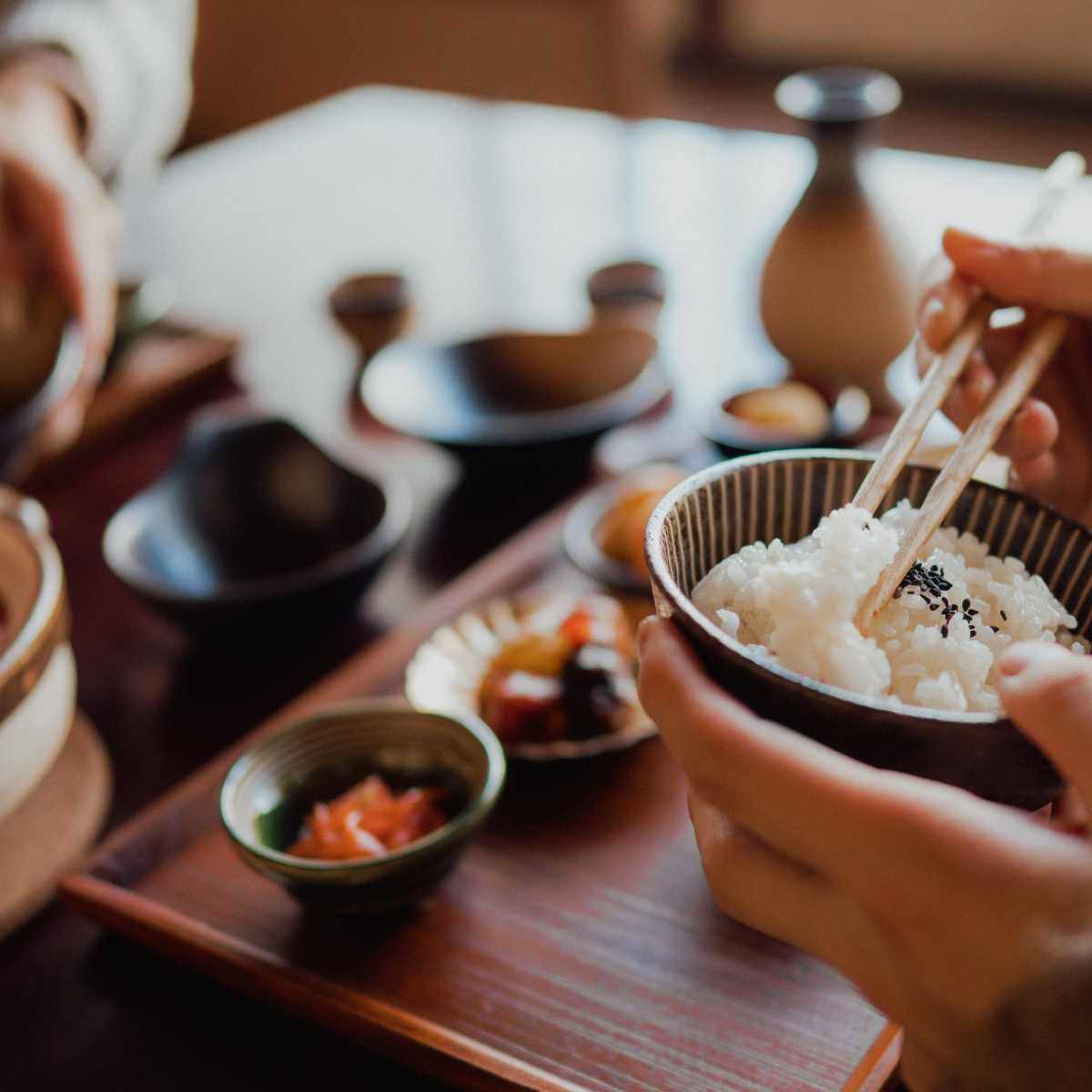
習うより慣れよ, Narau yori nareyo
Learn by getting used to it, not just by being taught.The most effective way to learn Japanese is to adopt a sustainable plan that fits seamlessly into your daily life. Focus on clear goals, build a robust grammatical foundation, and actively seek out real-world speaking opportunities in Singapore.
Adult learning requires flexible options, interactive live sessions, and practical applications. Choose a training provider that respects your schedule and delivers outcome-driven results. By committing to regular practice and seeking professional guidance, you can rapidly develop the Japanese language skills necessary to succeed in international work, travel, and daily life.
Ready to take the next step? Connect with Lingua Learn Singapore to explore instructor-led Japanese courses tailored for ambitious professionals.
The best way to learn is to begin with a practical plan. Focus on simple goals, build a strong foundation, and practise speaking in real situations. With the right support, you can grow your Japanese language skills faster and use them with confidence in daily life, travel, and work.
If you are ready to take the next step, choose a course with interactive live sessions, flexible scheduling, and real-world speaking practice. That way, you do not just study Japanese. You actually use it.
Adult learners can develop usable, basic Japanese language skills for workplace greetings and simple daily interactions within 2 to 3 months. Achieving this timeline requires consistent daily study of roughly 15 minutes, paired with 1 to 2 hours of live instructor-led classes each week.
Yes. If formal certification is unnecessary for your career goals, you can focus entirely on practical communication courses. Lingua Learn Singapore offers targeted modules such as “Japanese for Study, Relocation & Long-Term Stay,” which bypass academic exam preparation in favour of immediate, situational fluency.
Relying exclusively on language applications prevents learners from developing spontaneous speaking skills. Apps lack the ability to provide nuanced feedback on tone, formal etiquette (keigo), and real-time pronunciation correction, often leaving learners unprepared for actual human conversations.
