Enrolling in Tamil Language Courses in Singapore is not simply about acquiring a new language. It is a way of maintaining connection to family, culture, and identity in a multilingual society.
Tamil Language Courses in Singapore provide structured opportunities for heritage learners to strengthen their spoken and written Tamil, reconnect with cultural traditions, and use the language more confidently in family and community settings. These programmes are designed to support learners who may have grown up hearing Tamil but have had limited opportunities to develop formal proficiency.
For heritage learners, Tamil serves a different purpose from a foreign language. It is often tied to family relationships, cultural continuity, and personal identity. According to recent research on heritage language learning (Science Gate, 2025), maintaining a heritage language not only preserves cultural identity but also strengthens cognitive skills and social connections.
Preserving cultural heritage
Language plays a central role in understanding traditions, literature, music, and history. Learning Tamil allows heritage learners to engage more deeply with cultural practices and pass that understanding to future generations.
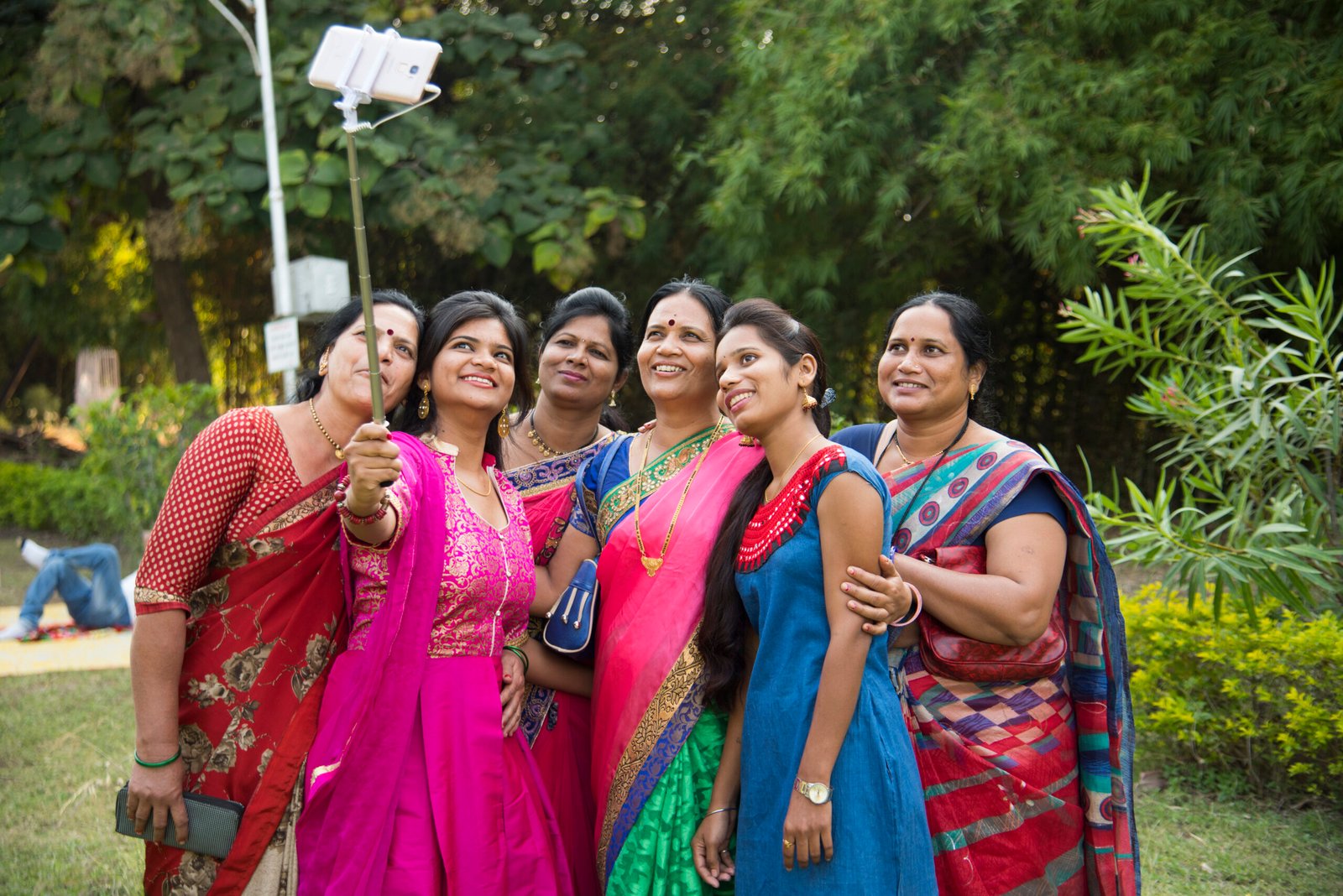
Strengthening family communication
Many parents, grandparents, and extended family members are more comfortable communicating in Tamil. Improving language ability helps heritage learners participate more fully in family conversations and maintain closer relationships.
Cognitive and developmental benefits
Research on heritage language learning suggests that maintaining a heritage language can support cognitive flexibility, analytical skills, and social awareness. These benefits often extend beyond language use itself.
Academic and professional relevance
While often learned for personal reasons, Tamil proficiency can also support academic study, cultural work, education, and roles where multilingual ability is valued.
Tamil Language Courses in Singapore are typically structured by proficiency level, allowing heritage learners to enter at an appropriate point rather than starting from scratch.
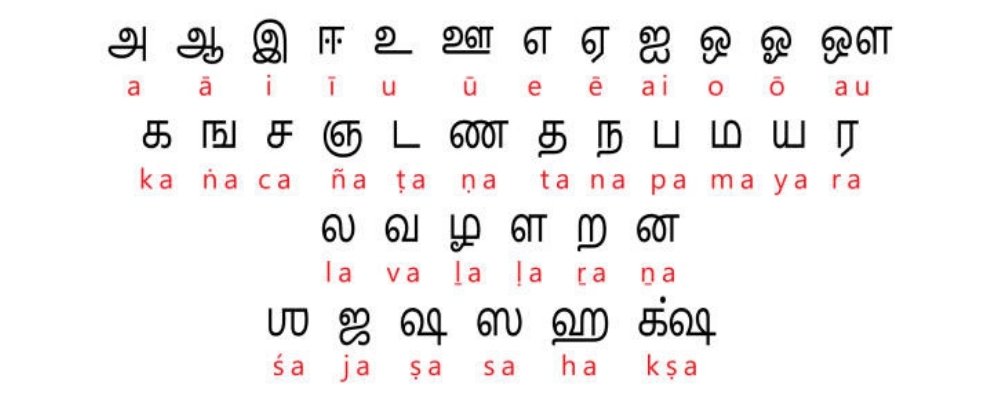
Beginner-level courses focus on building a foundation, including:
These courses suit heritage learners who understand some spoken Tamil but have limited formal training.
Intermediate courses aim to increase confidence and range, with emphasis on:
These programmes support learners who can communicate informally but want greater accuracy and fluency.
Advanced courses are designed for learners seeking deeper mastery, including:
These programmes are often chosen by learners interested in academic, cultural, or professional use of Tamil.
Lingua Learn Singapore offers Tamil courses designed for heritage learners, with instruction tailored to learners who bring cultural familiarity but varying language proficiency.
Key features include:
Courses are structured to support steady progression while keeping learning relevant to real-life use.
Selecting an appropriate course helps ensure meaningful progress. Heritage learners may benefit from considering:
Learning goals: conversational use, literacy, or cultural understanding
Teaching approach: interactive practice rather than purely theoretical study
Schedule and format: group or private lessons that fit existing commitments
Programme reputation: clarity of structure and learner support
Choosing based on fit rather than speed helps sustain long-term learning.
For heritage learners, developing Tamil proficiency offers lasting benefits:
Tamil learning often strengthens both personal confidence and cultural connection over time.
Tamil Language Courses in Singapore provide heritage learners with a structured way to reconnect with language and culture. With appropriate instruction, relevant materials, and consistent practice, learners can develop meaningful proficiency while preserving an important part of their identity.
More information about adult and heritage language programmes is available through Lingua Learn Singapore’s private adult learning offerings.