
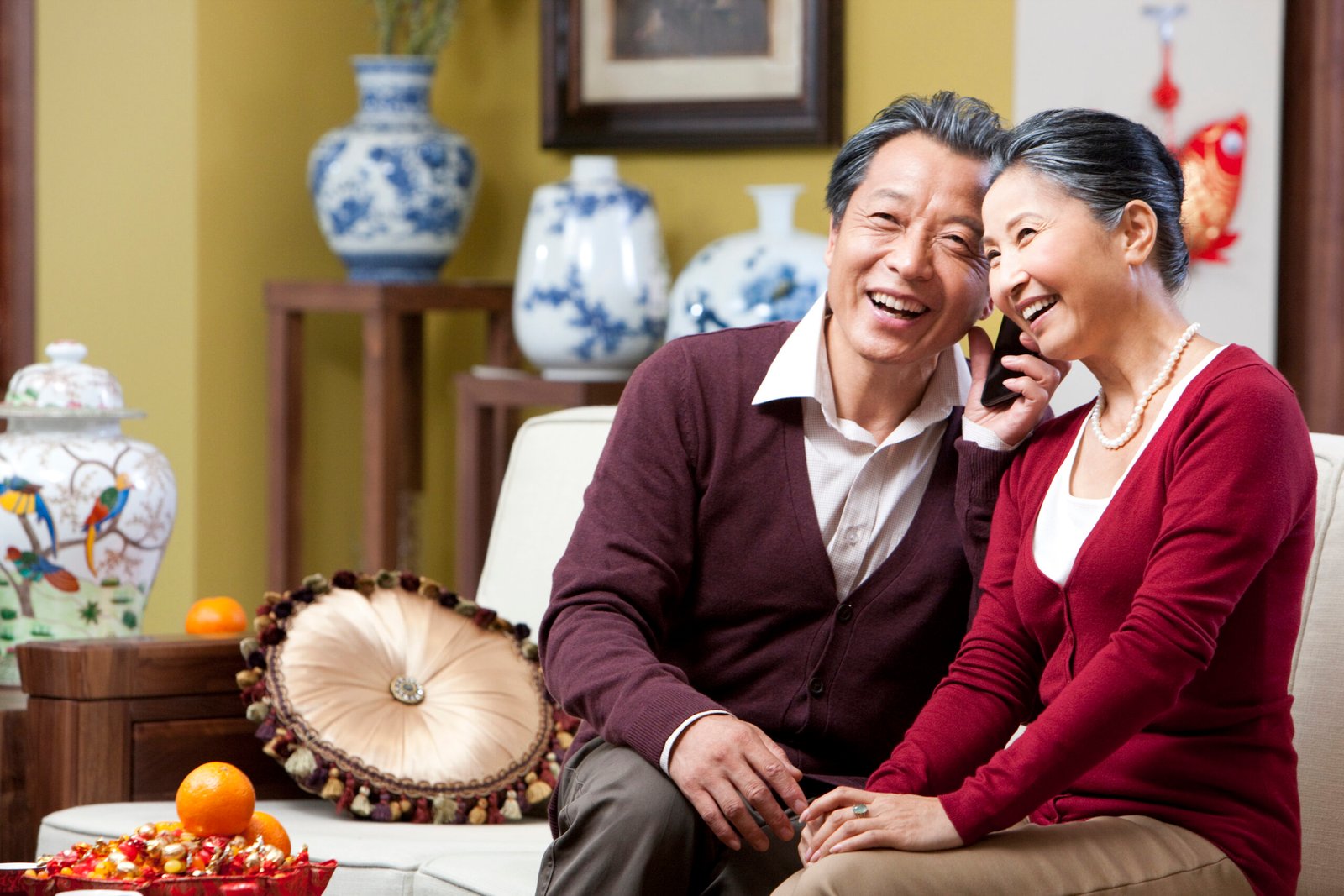
As a member of a multi-lingual family, I can speak from experience – there’s a particular kind of quiet that settles over people when a grandparent speaks and a grandchild can only smile and nod. The warmth is there, but the words aren’t landing. If you’ve felt that gap — the sense that something precious is slipping between generations — you’re far from alone. For many families in Singapore with roots in Hong Kong, Guangdong, and the wider overseas Chinese community, Cantonese carries the jokes, the affection, and the small daily exchanges that hold a family together.
The good news is that this gap is bridgeable. With the right guidance and a little consistency, you can move from understanding the odd phrase to holding real conversations with the people who matter most. This guide walks you through why Cantonese is worth reclaiming, who tends to benefit most, and how to choose a course that fits your family, your schedule, and your goals.
Cantonese is a living link between generations, carrying the humour, affection, and traditions that don’t always translate into Mandarin or English.
Heritage learners have a real head start, since passive understanding can be turned into confident speaking faster than you might expect.
Adults can absolutely succeed, especially with structured support, real conversation practice, and a clear personal reason to learn.
The right course prioritises speaking and listening, weaves in cultural context, and flexes around busy family and work schedules.
Learning together strengthens everyone, building children’s confidence and giving adults a renewed sense of pride and belonging.
Cantonese is more than a dialect. It’s a cultural bridge, and for many families it’s the emotional language of home — even when formal education and the wider world run on Mandarin and English.
Think about where Cantonese actually lives in family life. It tends to show up in the moments that matter most:
When a family loses Cantonese to time, migration, or shifting priorities, it isn’t only vocabulary that fades. It’s a way of relating. Learning it again — through structured Cantonese courses in Singapore — helps you recover that connection in a way that feels natural and respectful rather than forced.
Reconnecting with Cantonese delivers benefits that ripple well beyond language skills:
These aren’t abstract rewards. They show up at the next family dinner, the next phone call with a grandparent, the next celebration where you finally feel like you belong in the conversation.
Cantonese courses suit a wide range of learners, but heritage families tend to feel the rewards most deeply. Understanding where you fit helps you choose the right starting point.
You’ll likely find Cantonese learning especially meaningful if you’re one of the following:
If any of these sound like you, you’re already starting from a place of motivation – and that purpose counts for a great deal.
A well-designed course balances practical communication with genuine cultural understanding. Expect to build:
For learners who’d like to explore the written side or sharpen their ear for tones, trusted references like this Cantonese pronunciation and writing guide make a helpful companion to your lessons.
Language and culture are inseparable, so your learning will naturally include:
This is what turns memorised phrases into something you can actually use — knowing not just the words, but when and how to say them.
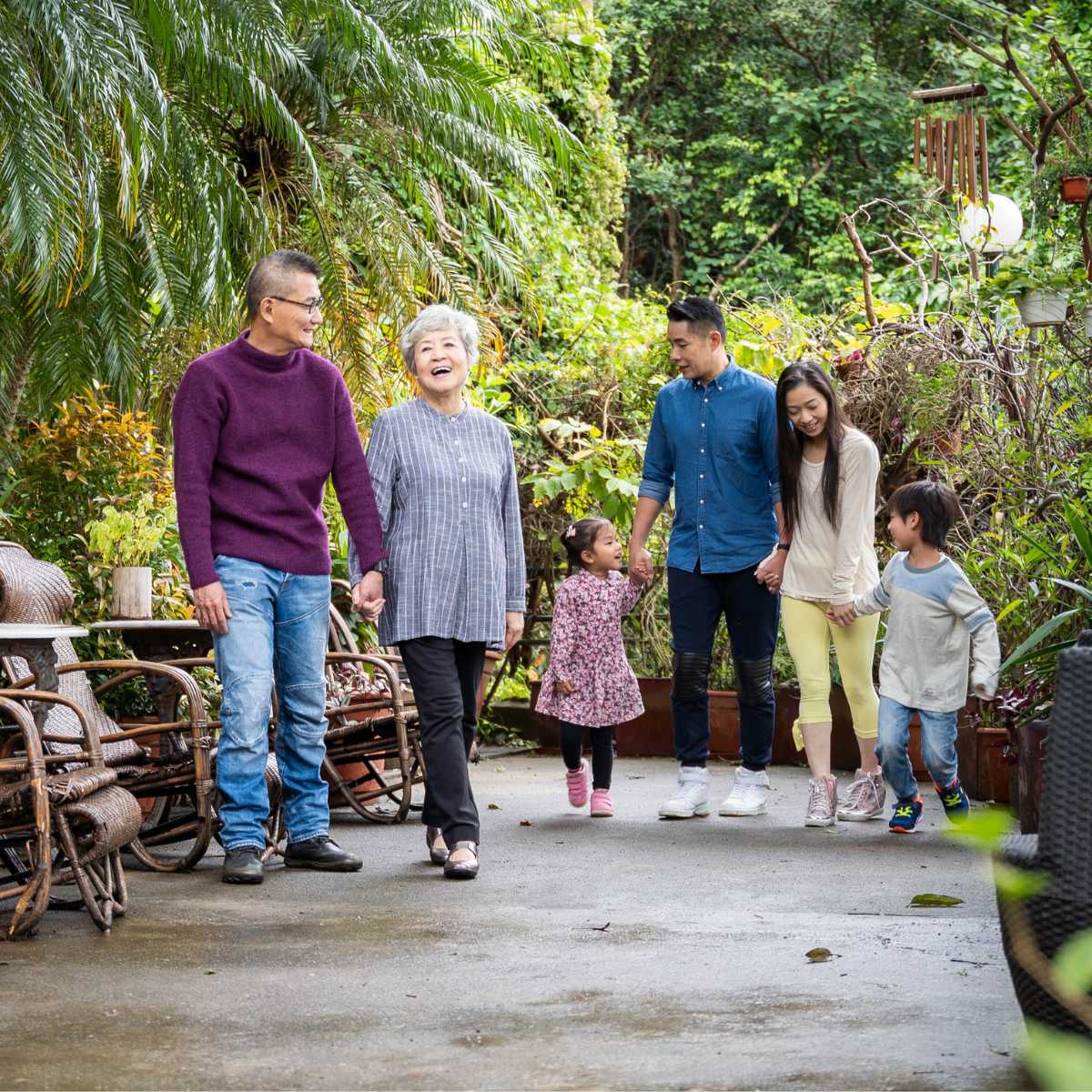
“家和萬事興。” “When the family is harmonious, all things prosper.”
Chinese proverbNot every language programme is built with heritage learners in mind. A thoughtful choice makes the difference between a course you abandon and one that genuinely transforms how your family communicates.
When comparing your options, keep these qualities front of mind:
A quality programme prioritises real-life communication over rote memorisation. You can explore a heritage-focused Cantonese course Singapore pathway designed specifically for families and adult learners who want exactly this.
Every family learns differently, so it helps to choose a format that matches your pace and lifestyle:
Live, interactive sessions over Zoom or Teams mean you get real-time feedback and plenty of speaking practice — without the commute. If you’re thinking longer-term, it’s worth exploring broader adult language programmes in Singapore that support steady progress over time.
Many adults worry that tones and pronunciation are simply too hard later in life. They aren’t. Structured learning makes Cantonese very achievable, and adults often succeed because they bring:
With the right guidance, you’ll likely find conversational confidence arriving faster than you expected — sometimes within the first handful of sessions.
When families learn side by side, the benefits multiply. Consistent use at home helps children retain what they learn, while parents model the effort and pride that make the language feel valuable. Children who grow up speaking Cantonese tend to develop a stronger sense of belonging and a genuine respect for family traditions. For adults, the experience often brings renewed pride and deeper emotional connection. Learning Cantonese isn’t only educational — for many families, it’s quietly transformative.
Choosing a Cantonese course works best when it’s guided by purpose, cultural fit, and realistic goals rather than vague good intentions. With structured support and steady practice, both adults and children can build Cantonese skills that strengthen everyday communication and keep your family’s heritage alive for the next generation.
If you’ve been waiting for the right moment to begin, consider this your nudge. Picture the next family gathering where you understand the jokes, answer your grandparents with ease, and feel fully part of the conversation. That moment is closer than you think — and it starts with a single, structured first lesson.
Yes — adults can absolutely learn Cantonese, even from scratch. Many heritage learners in Singapore have passive familiarity with the language through family exposure but have never developed active speaking ability. Structured instruction provides the foundation in tones, pronunciation, and sentence patterns that makes that transition achievable. Most learners can handle basic family conversations within a few months of consistent practice.
Structured Cantonese courses deliver faster, more accurate results than informal home exposure because they provide consistent instruction, correct pronunciation from the start, and cultural context that makes the language meaningful rather than mechanical. For heritage families where Cantonese has weakened across generations, professional instruction rebuilds what passive exposure alone cannot restore.
Learning Cantonese gives heritage families direct access to a living cultural layer — family conversations, traditional sayings, festive expressions, and emotional nuance — that does not translate fully into other languages. For children raised in Singapore, developing Cantonese fluency strengthens cultural confidence, deepens family bonds across generations, and preserves connection to traditions that might otherwise fade.
